Preparing A North Salem Country Property For The Market
July 16, 2026
July 16, 2026
If you are getting ready to sell a country property in North Salem, the house is only part of the story. Buyers here often respond just as strongly to the land, views, paddocks, stone walls, trails, and outbuildings as they do to the kitchen or primary suite. When you prepare the property with that in mind, you can make it easier for buyers to understand the full value of what you are offering. Let’s dive in.
North Salem has a distinct identity within Westchester County. Town materials describe a rural landscape shaped by meadows, wooded hillsides, stone walls, horse paddocks, and a strong equestrian culture, with more than 56 horse facilities and over 100 miles of riding trails.
That local context matters when you list a home. In this market, buyers are often buying a setting and a way of living, not just square footage. A well-prepared property should help them see how the house, land, and supporting structures work together.
One of the biggest mistakes sellers make with acreage is assuming buyers will “get it” on their own. In reality, large parcels can feel confusing in person and even more confusing online. Your goal is to make the land read clearly from the first photo through the first showing.
Start with simple exterior cleanup. Mow and edge where appropriate, trim brush, remove deadwood and debris, and clean up access roads and driveways so the approach feels intentional.
Sight lines matter, too. If your property has open meadows, paddocks, stone walls, wooded edges, or broad views, those features should be visible and easy to appreciate. Remove anything that interrupts them, including loose equipment, bins, hoses, and extra vehicles.
You do not need to show every corner of the property. What matters most is highlighting the areas that best explain how the land lives day to day.
For many North Salem listings, that means:
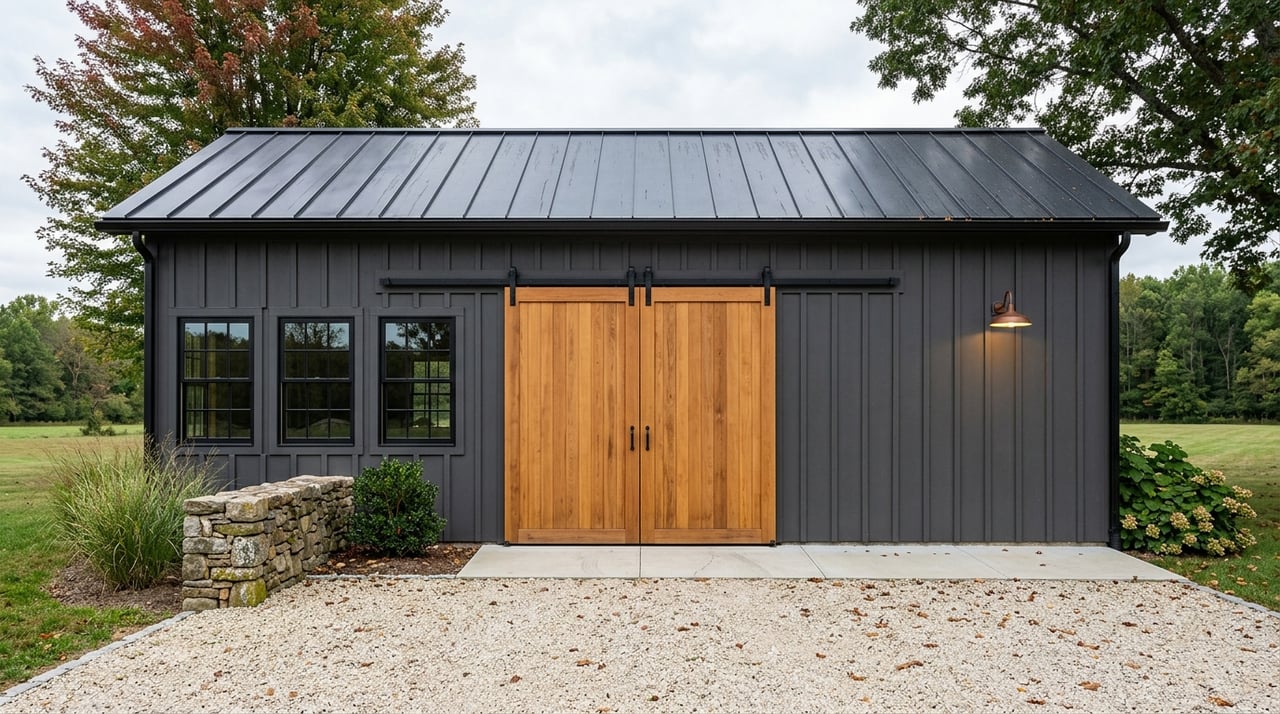
In a country market like North Salem, barns, garages, tack rooms, run-in sheds, and other support structures should not feel like forgotten storage spaces. They are part of the property story.
Sweep and organize each building before photos and showings. Replace broken bulbs or hardware, clear aisles and doorways, and remove extra trailers or equipment from view so buyers can understand the space and its function.
The goal is not to overstage these structures. It is to show that they are usable, maintained, and well cared for.
Buyers are likely to ask practical questions about country infrastructure. They may want to know what is included, what condition it is in, and how the spaces connect to the rest of the property.
That is why clean presentation matters. When outbuildings look orderly and credible, buyers can focus on potential and utility instead of deferred maintenance or confusion.
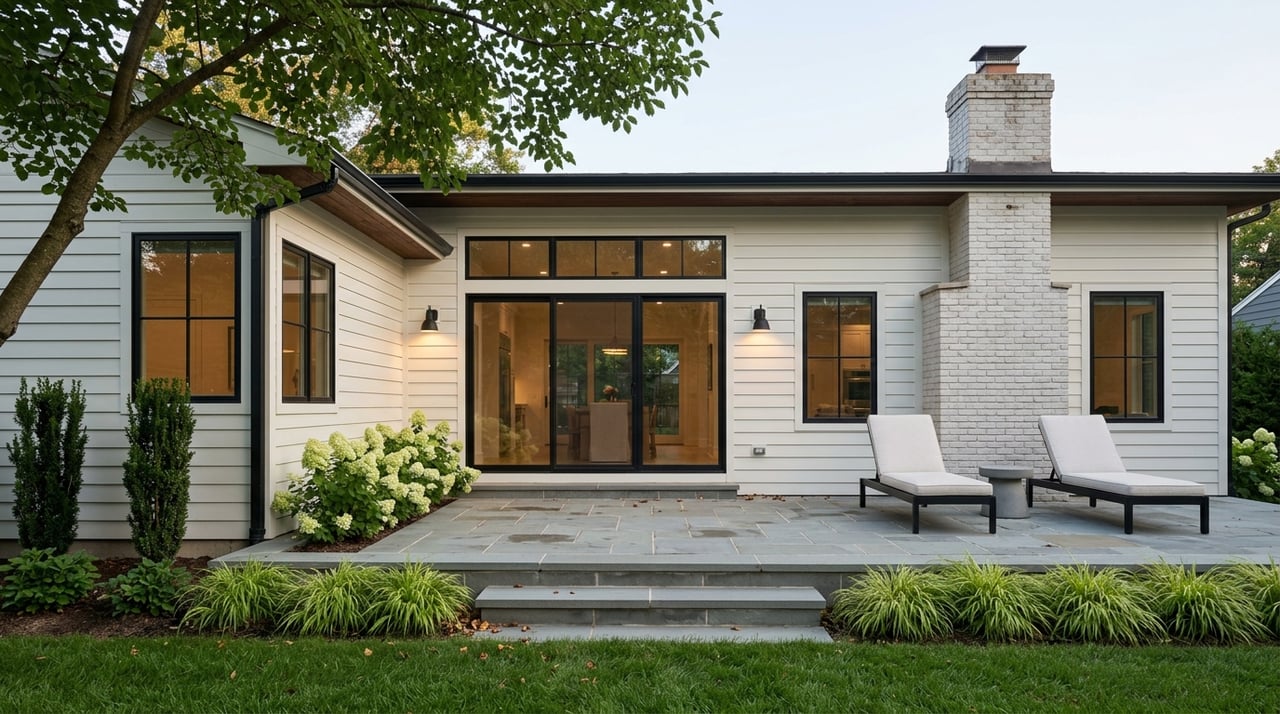
Outdoor amenities should feel ready to enjoy. Patios, porches, fire pits, pools, riding rings, and paths all need the same thoughtful preparation you would give a main living room.
Clean hard surfaces, straighten furniture, and remove visual clutter. If the property includes horse or farm features, make sure those areas look defined and functional rather than temporary.
A few well-placed pieces can help show scale, but restraint is important. You want buyers to notice the setting, not the staging.
Inside the home, focus first on the rooms that help buyers imagine daily life. National staging data shows that living rooms, primary bedrooms, and dining rooms are among the most important spaces to stage, and staged homes often help buyers visualize the home more easily.
For a North Salem country property, those rooms should feel calm, bright, and connected to the outdoors. The view should remain the star whenever possible.
A country home does not need to lose its character, but it should feel visually calm. Remove bulky furniture, pack away excess decor, and keep personal items to a minimum so rooms feel more open on camera and in person.
Fresh bedding, simple towels, and neutral finishes can go a long way. Open blinds and shades to bring in natural light and keep attention on the landscape outside.
If the home has farmhouse or equestrian details, use them sparingly. A few restrained touches can support the setting, but too much theme can distract from the architecture, layout, and views.
Online presentation is especially important today. Recent buyer data shows that 51% of buyers found the home they purchased on the internet, and among buyers who used the internet, 83% said listing photos were very useful.
That same research also shows that detailed property information and floor plans matter. For a country property, that is especially important because buyers are evaluating not only rooms, but also how the house connects to mudrooms, porches, patios, barns, garages, and the land beyond.
If you have a room that could serve more than one purpose, label it clearly and consistently. Accurate room measurements and a clear explanation of how spaces connect can reduce buyer confusion and strengthen the overall presentation.
This is particularly helpful in homes with additions, guest areas, or informal entry spaces. The easier the layout is to understand, the easier it is for buyers to picture themselves living there.
Photos are not just a marketing extra. They are often the first showing.
Because so many buyers begin online, the lead image should represent the property at its strongest. For one home, that might be the front approach. For another, it could be the terrace view, the barn complex, the pasture, or the main gathering room with a beautiful outlook.
A strong photo sequence often moves in a logical order:
This helps buyers understand the property as a whole. It also reflects how people tend to experience a country home, starting with the setting and then moving into the structures and living spaces.
High-resolution photography and video can be especially helpful for acreage listings. If any virtual staging or digital enhancement materially changes the appearance of the property, that should be disclosed clearly so the presentation remains accurate.
With country properties, visual assumptions can create problems. A fence line, driveway edge, or mowed area may suggest a boundary that does not fully match the legal property lines.
Westchester County notes that its parcel viewer is for general information only and that parcel boundaries are approximate. It should not be used in place of a survey or deed-based property description.
Before the listing goes live, confirm what the survey shows. This is especially important if your marketing will reference fenced areas, driveway easements, outbuildings near a lot line, or what portion of the acreage is usable.
Getting this right early helps avoid confusion later. It also gives buyers more confidence in the information they are reviewing.
A well-prepared seller packet can make a big difference with a North Salem country listing. Buyers of acreage often have detailed questions, and having documents ready can help the transaction feel smoother and more transparent.
At a minimum, it helps to gather:
North Salem’s open-space planning materials note the presence of conservation easements and watershed lands in town. That means buyers may reasonably ask whether any similar conditions affect your parcel.
Before listing, think through the answers to common questions such as:
When that information is organized in advance, buyers can focus on the opportunity instead of the unknowns.
In North Salem, presentation is not just about making a home look attractive. It is about making the property understandable.
When the land reads clearly, the outbuildings feel credible, the interior feels calm, and the marketing tells a coherent story, buyers can better appreciate what makes a country property special. That usually leads to stronger interest and a more confident response once the home hits the market.
If you are thinking about selling a North Salem property and want guidance on how to prepare the house, land, and marketing strategy, connect with Pat Palumbo for thoughtful, tailored support.
Stay up to date on the latest real estate trends.
Buyers and sellers need to have their needs heard in order for their needs to be addressed. What you are really looking for is a real estate therapist. We have come to realize that our training is not only a benefit but in some cases the reason why we are able to truly help our clients.

202 Katonah Ave
Katonah NY 10536