
Selling A Starter Home In Mount Kisco And Trading Up
July 2, 2026
July 2, 2026
Thinking about selling your starter home in Mount Kisco and moving into something bigger? You are not alone, and you are probably balancing two big goals at once: maximizing the sale of your current home while making a smart move into your next one. In a market where pricing, timing, and preparation all matter, a clear plan can help you move with less stress and more confidence. Let’s dive in.
Mount Kisco offers a mix that many buyers want: a small-village setting, rail access on the MTA Harlem Line, and a notable amount of parks and open space. The village has 10,757 residents and 4,367 households, which gives it a more intimate scale than many larger suburban markets.
That appeal can work in your favor when you sell a starter home. At the same time, moving up in Westchester often means stepping into a higher price tier, where your next monthly costs may shift not just because of the mortgage, but also because of local property taxes and purchase-related taxes.
Market data points to a competitive environment, even though different sources measure pricing in different ways. Redfin reported a Mount Kisco median sale price of $410,379 for the three months ending May 2026, with homes selling in 27 days and 17 homes sold in May.
Zillow’s home value index showed a typical home value of $702,728 in Mount Kisco as of May 31, 2026, with 25 homes for sale. Across Westchester County, Zillow reported a typical home value of $865,117 and a median sale price of $688,333, while Realtor.com reported a median listing price of $750,000 and a sale-to-list ratio of 100%.
The takeaway is simple: inventory is tight, prices are elevated, and well-positioned homes can move quickly. If you are trading up, that creates both an opportunity on the sale side and pressure on the buy side.
Before you list, it helps to understand what your next purchase will really cost. In New York, property taxes are local and support municipal services, so your monthly carrying cost may change significantly from one home to the next.
You also need to account for New York transaction taxes. On the sale side, the state real estate transfer tax is generally $2 for each $500 of consideration, and the base tax is generally paid by the seller unless the contract says otherwise. On the purchase side, financed buyers in Westchester should also be aware of mortgage recording tax, and buyers crossing the $1 million mark may face the additional mansion tax.
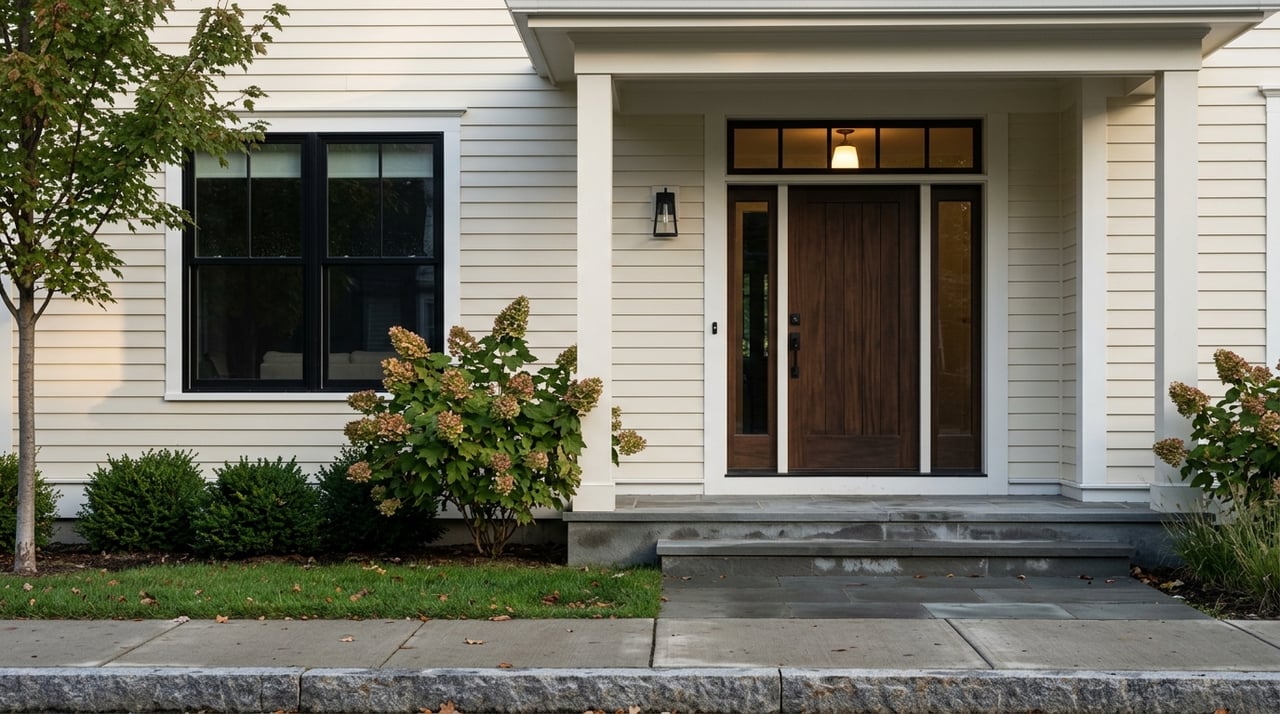
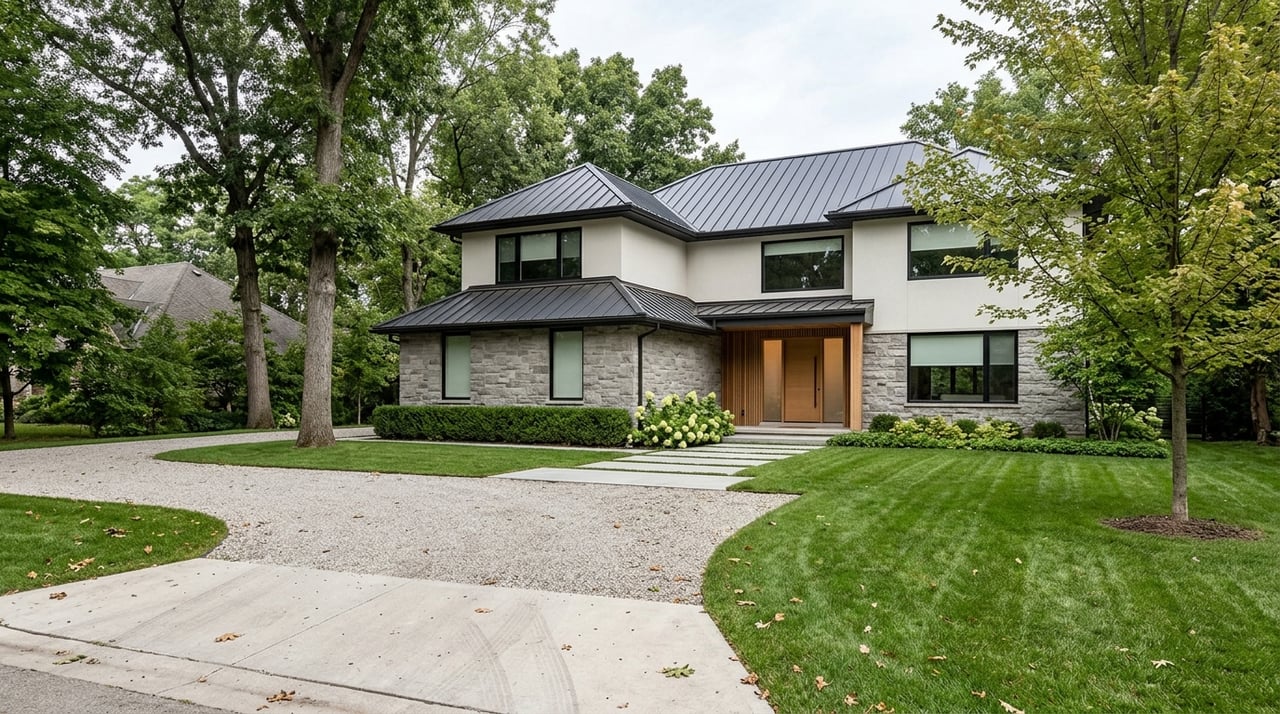
A strong first impression matters, especially in a market where buyers compare listings quickly online. Preparing your home well can help you attract attention early and reduce the chance that your listing sits and loses momentum.
According to guidance cited in the research, sellers should focus on cleaning, decluttering, basic maintenance, curb appeal, and gathering manuals and warranties before listing. A pre-sale inspection is not required, but it can help uncover issues with the structure, roof, plumbing, electrical, heating, air conditioning, or other concerns before a buyer finds them.
For many starter homes, this stage is where thoughtful presentation creates the biggest lift. Neutral finishes, less personalization, and polished main living areas can make it easier for buyers to picture themselves in the space.
Staging stands out as one of the most evidence-backed ways to improve marketability. In NAR’s 2025 Profile of Home Staging, 29% of agents said staging increased the dollar value offered by 1% to 10%, and 49% said it reduced time on market.
The rooms buyers most wanted staged were the living room, primary bedroom, and kitchen. If you want to spend wisely, those are usually the best places to focus first for photos, showings, and open house impressions.
Before your home hits the market, pay attention to the basics:
These steps may sound small, but together they help your home feel cared for and move-in ready.
In a fast-moving market, pricing is part strategy and part psychology. If your home is priced well from the start, you are more likely to capture serious interest while your listing is fresh.
Fannie Mae advises sellers to study recent sales, current inventory, and how fast homes are moving. It also notes that if a home lingers without strong buyer attention, price reductions or incentives may become necessary, and the longer a property stays on the market, the harder it can become to sell.
That matters in Mount Kisco, where Redfin describes the market as very competitive, with many homes receiving multiple offers and average sales around 4% above list price. In other words, the goal is not simply to aim high. The goal is to price in a way that brings the right buyers to the table quickly.
Many sellers want to know the perfect week to list. Realtor.com’s 2026 national analysis found that the week of April 12 through 18 historically brought more views per listing and faster sales.
Still, that does not mean you should wait for a narrow calendar window if your home is ready and your next move depends on action now. In a market like Mount Kisco, a well-prepared and well-priced home can perform strongly outside that exact week.
For most trade-up sellers, the better question is not “What is the perfect date?” It is “When will my home be fully ready to make the best first impression?”
This is often the biggest question in a move-up plan, and there is no one right answer for every household. The best sequence depends on your finances, your tolerance for risk, and how much flexibility you need.
Selling first can give you clarity on proceeds and reduce the chance of carrying two homes at once. Buying first can help you avoid a temporary move, but it often requires stronger financing and a plan for overlapping costs.
Selling first may be a better fit if you:
Buying first may be a better fit if you:
When you are buying and selling at the same time, the contract structure matters. Several tools can help protect you and create more breathing room between the two transactions.
A preapproval letter is one of the first steps if you plan to buy. The CFPB notes that sellers frequently require preapproval, and that a preapproval is typically valid for 30 to 60 days.
The research identifies several common tools that can help line up the two sides of your move:
These options can be very useful, but they also affect how competitive your offer looks. In a tight market, the right strategy often comes down to balancing protection with flexibility.
Some buyers consider bridge or swing financing so they can buy before they sell. This can be helpful, but it is not a simple shortcut.
Fannie Mae says a bridge loan can be an acceptable source of funds if the lender documents your ability to carry payments on your current home, your new home, the bridge loan, and your other obligations. That means early financing conversations are essential if you want this option on the table.
For some households, bridge financing creates freedom. For others, it adds too much pressure. The key is understanding the full monthly picture before you commit.
The easiest move-up transactions usually start with a coordinated plan, not a rushed reaction. If you know you want more space, a different layout, or a new location within Westchester, it helps to work backward from your ideal outcome.
A practical trade-up roadmap often looks like this:
This kind of planning can help you move with more control, even if the market itself stays competitive.
Selling a starter home and trading up is not just a pricing exercise. It is a timing, presentation, negotiation, and decision-making process that touches your finances and your daily life at the same time.
That is why many sellers benefit from a strategy that combines polished presentation with clear communication and a realistic plan for the next purchase. When your sale and purchase need to work together, every detail matters a little more.
If you are considering a move-up sale in Mount Kisco, Pat Palumbo can help you think through pricing, presentation, timing, and the steps that can make your next move feel more manageable.
Stay up to date on the latest real estate trends.



Buyers and sellers need to have their needs heard in order for their needs to be addressed. What you are really looking for is a real estate therapist. We have come to realize that our training is not only a benefit but in some cases the reason why we are able to truly help our clients.

202 Katonah Ave
Katonah NY 10536