
Westchester vs Fairfield County: A Smart Move Comparison
February 5, 2026
February 5, 2026
Torn between Westchester County, NY and Fairfield County, CT? You are not alone. Both offer strong schools, commuter access, and beautiful neighborhoods, yet the day-to-day feel can be very different. In this guide, you will learn how to compare housing, taxes, schools, commuting, and lifestyle, and then use a simple framework to choose with confidence. Let’s dive in.
Both counties sit within the New York metro’s commuter belt and deliver a suburban lifestyle with access to major job hubs. Westchester lies just north of the Bronx with a mix of inner-ring suburbs, classic village downtowns, and more rural northern towns. Fairfield stretches along Long Island Sound and blends coastal communities with inland suburbs and semi-rural areas.
If you love a shoreline vibe, Fairfield’s beaches, marinas, and harbors stand out. If you prefer Hudson Valley scenery and preserves, Westchester’s river towns and northern trail networks may appeal. Both offer a range of neighborhoods, from compact walkable centers to quiet, acreage-oriented enclaves.
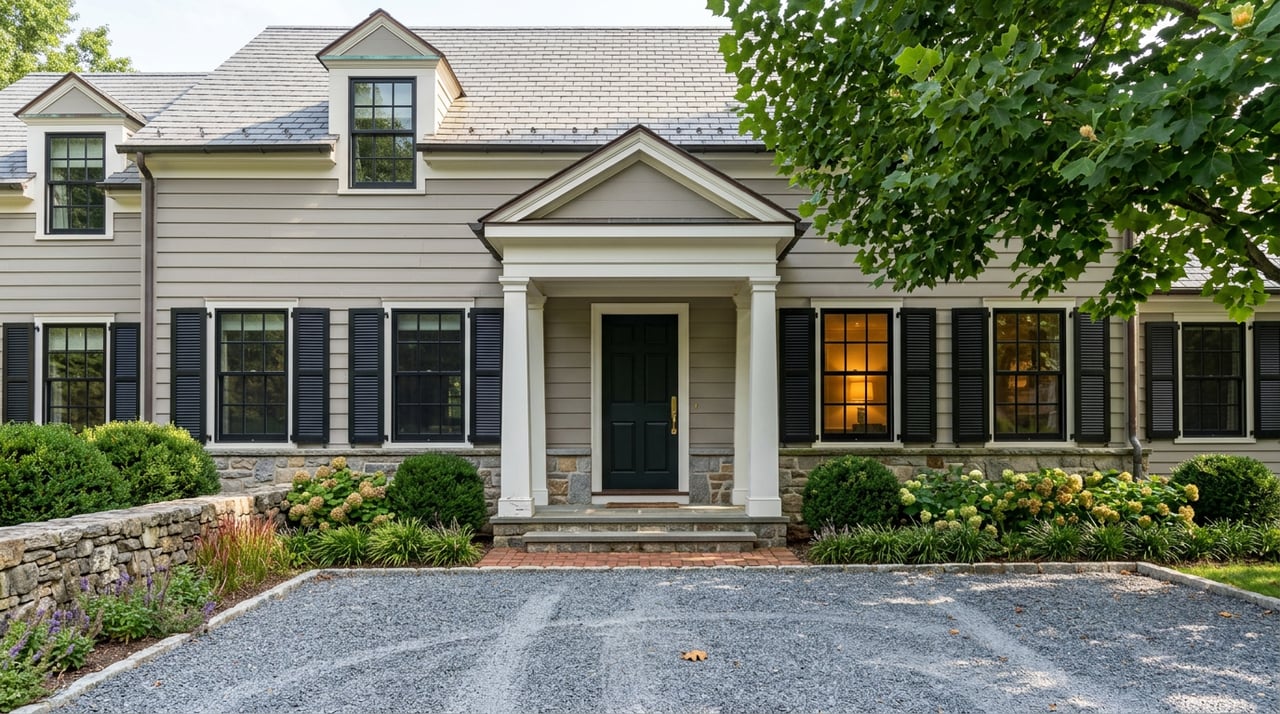
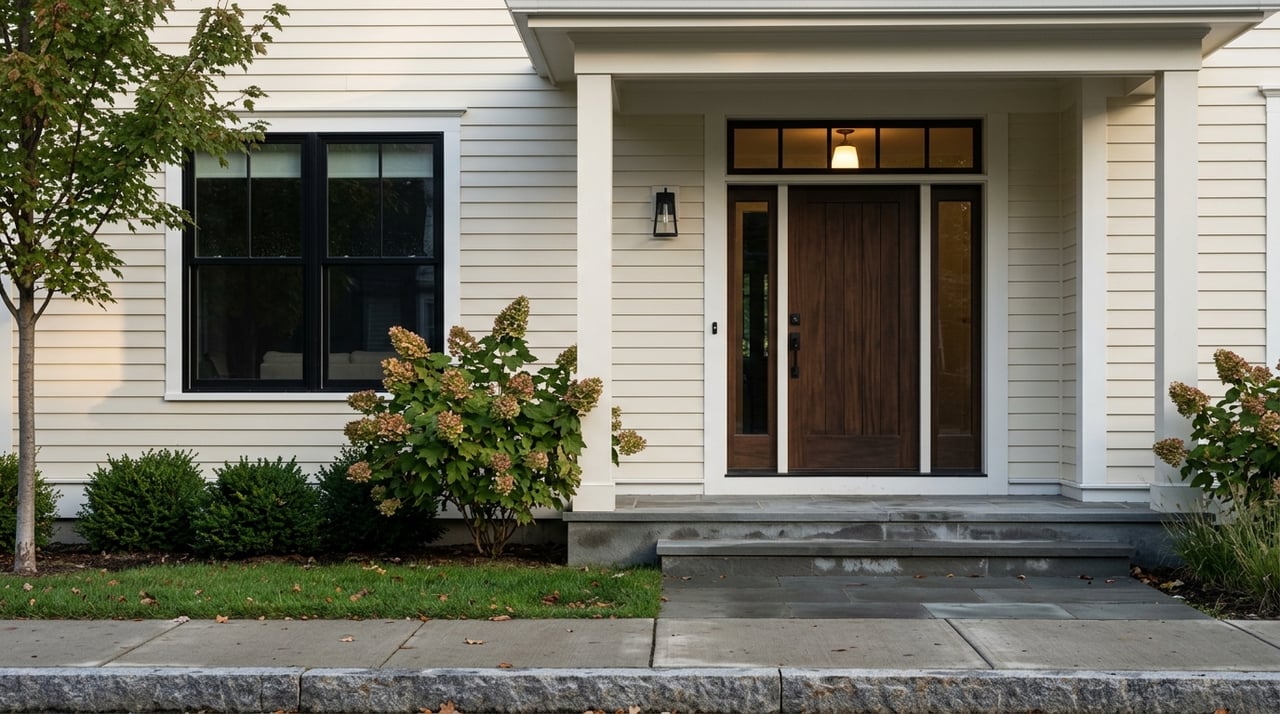
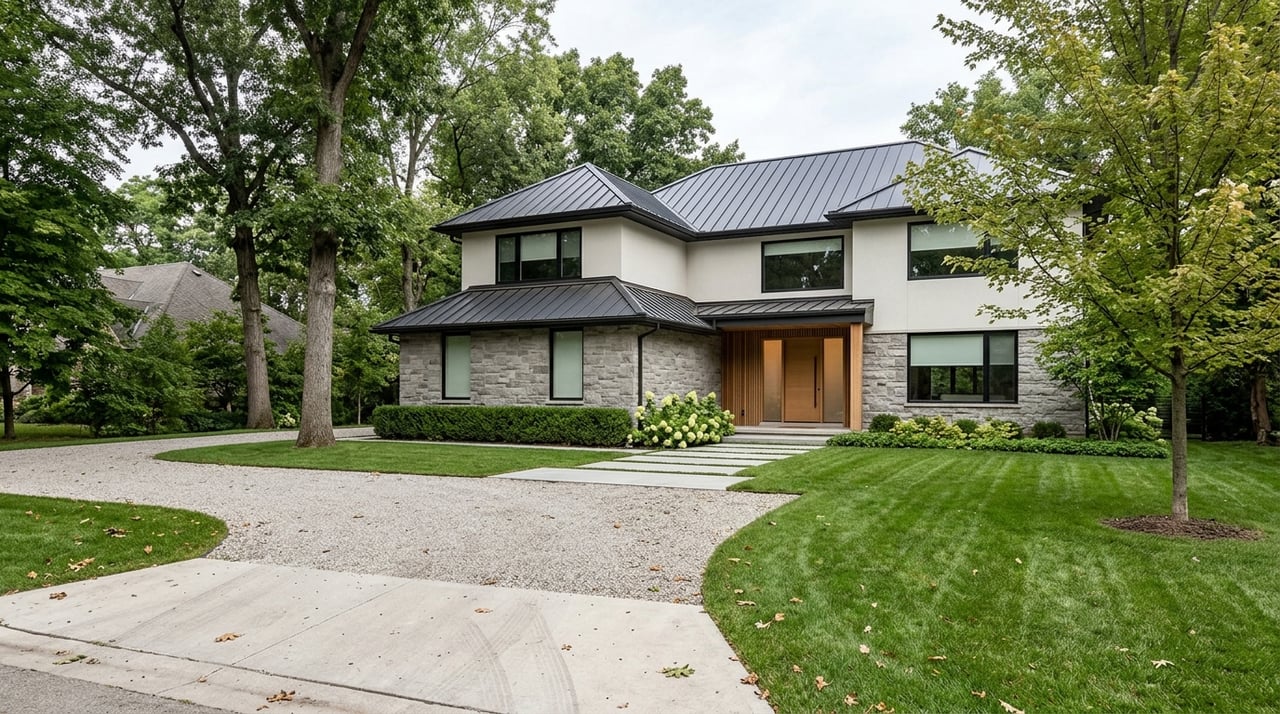
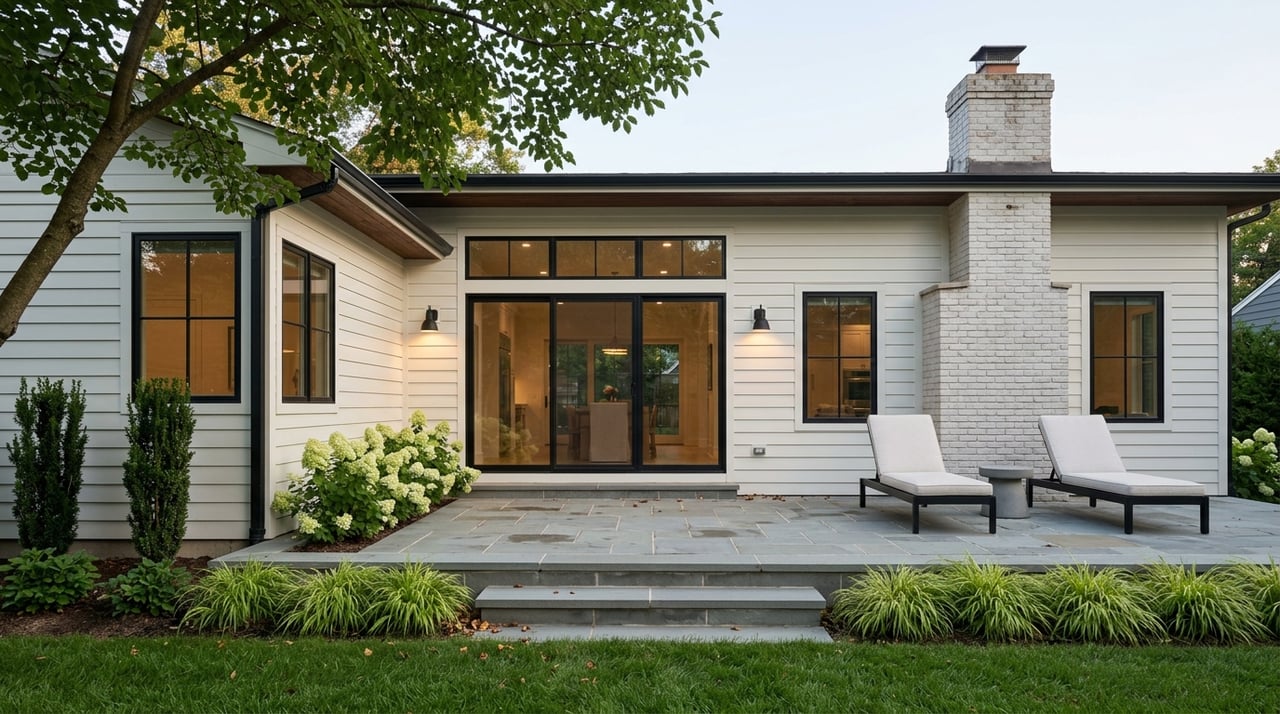
You will find a wide mix of architecture in each county. Westchester features early-20th-century Colonials and Tudors, midcentury homes, and larger estates, especially in prestige villages and the northern towns. Fairfield leans New England, with clapboard Colonials, shingle-style homes, and many coastal properties along the Sound.
Prices vary more by town and location than by county. Southern and coastal towns, and those with express rail service, typically command higher prices. Larger lots and more rural settings tend to be more affordable per square foot, with trade-offs in commute time and services.
Consider how you live day to day:
Before you choose a town, check:
There is no single winner on cost. Your bottom line depends on your town, home value, and income profile. Property taxes are set locally in both states and can vary widely town by town. The best move is to pull actual tax bills for comparable homes from town assessor websites when you narrow your list.
Both New York and Connecticut levy state income taxes with different brackets and rules. If you live in one state and earn wages in the other, you generally pay tax to the state where you earn the income and claim credits where allowed on your resident return. Filing across borders can be complex for dual-income households or those with bonuses and investment income. A CPA who understands NY and CT rules can help you model the net effect.
Round out your total-cost view with:
Tip: Build a side-by-side spreadsheet that includes mortgage, property tax, estimated state income tax, insurance, utilities, and commuting costs. This clarifies trade-offs quickly.
Both counties include many highly ranked public districts and a wide range of private and parochial options. School quality varies by district and can vary within a town, so plan to research at the school level. Review state education department report cards, district budgets, enrollment trends, and typical class sizes.
Early childcare, preschools, and day camps are widely available across the region. In high-demand towns, waitlists are common, so start your search early if timing is tight.
When comparing towns, consider:
Both counties are anchored by Metro-North service into Midtown. Westchester is served by the Harlem, Hudson, and New Haven Lines. Fairfield rides the Connecticut portion of the New Haven Line, with major hubs in Stamford, Norwalk, Darien, and Greenwich.
Express service can be a difference-maker. Many Fairfield towns such as Stamford and Darien benefit from frequent, fast express trains. Southern Westchester towns on express Harlem or New Haven Line schedules can be competitive as well. Always check door-to-door time from home to desk, not just station-to-station.
If you drive, expect heavier congestion on southern corridors. Westchester relies on I-287, I-684, the Taconic, and Route 9, while Fairfield’s main arteries are I-95 and the Merritt Parkway. Station parking permits and waitlists vary by town, so confirm availability early if rail is your plan.
Also consider reverse commutes and local job centers. White Plains and other Westchester hubs reduce Manhattan dependency for some households. Stamford is Fairfield’s major corporate center with strong transit connectivity.
Both counties support an active, family-friendly lifestyle. Westchester’s park preserves, reservoirs, golf courses, and Hudson River access provide four-season outdoor options. Fairfield’s Long Island Sound setting adds beaches, sailing, and marina life to the mix, with inland trails and parks as well.
Dining and culture are robust on both sides. In Westchester, White Plains and New Rochelle offer vibrant dining, while river towns host theaters and arts venues. In Fairfield, Stamford continues to expand its dining and cultural scene, and towns like Greenwich and Westport blend boutiques with restaurants.
Healthcare access is strong across both counties, with major hospitals and regional systems in place. Walkability tends to be higher around downtowns and transit nodes, while rural areas are more car-dependent.
Use this checklist to align your move with what matters most.
Use similar commute profiles to compare apples to apples.
Choosing between Westchester and Fairfield is not about finding the “cheaper” or “better” county. It is about matching commute, cost, schools, and lifestyle to your household. With cross-border licensing and deep town-by-town knowledge, our team can help you shortlist the right neighborhoods, model total costs, and time the market for your goals.
If you are ready to compare specific towns and tour homes that fit your brief, reach out to Pat Palumbo for local guidance.
Stay up to date on the latest real estate trends.
Buyers and sellers need to have their needs heard in order for their needs to be addressed. What you are really looking for is a real estate therapist. We have come to realize that our training is not only a benefit but in some cases the reason why we are able to truly help our clients.

202 Katonah Ave
Katonah NY 10536