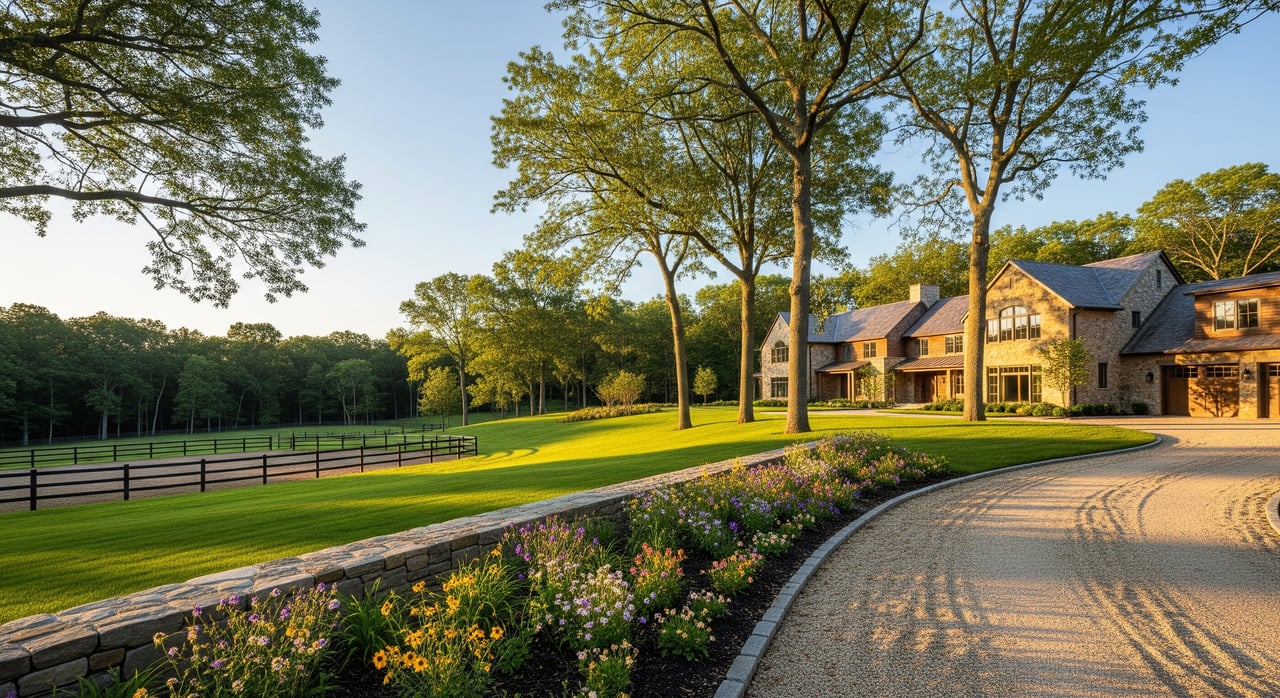
How Acreage Shapes Home Value in North Salem
January 15, 2026
January 15, 2026
Is a 10-acre property always worth more than a 5-acre one? Not in North Salem. What matters most is how much of that land you can actually use and what it lets you do. If you are weighing privacy, horses, or future flexibility, understanding acreage can help you price, market, or buy with confidence. This guide breaks down the key land factors in North Salem and gives you simple checklists so you can move forward with clarity. Let’s dive in.
Acreage affects price, but not in a straight line. Buyers often pay more for usable, buildable land, privacy, and features that support their lifestyle. The first few acres can drive the largest jump in value. Additional acres usually add less per acre unless they unlock a specific use.
In North Salem, many buyers look for equestrian or estate living. That creates premiums for properties that deliver privacy, trails, and functional improvements. You will see different price reactions across acreage bands, from small home-based equestrian setups to full riding estates.
Gross acreage is the total on the deed. Usable acreage is what you can actually build on or enjoy after subtracting wetlands, steep slopes, setbacks, easements, and restricted areas. Two parcels with the same gross acreage can have very different values if one has flat fields and the other is mostly wetland.
Buyers typically pay for usability, not just size. If you are selling, mapping and showcasing usable land can boost perceived value. If you are buying, verify it before you offer.
Value per acre commonly declines as parcels get larger. The first acres offer privacy and siting options, which carry strong demand. Extra acres can still help, but they matter most when they enable a clear use, like more paddocks, an arena, or a possible subdivision where allowed.
For equestrian buyers, acreage bands can carry distinct premiums. Think 3 to 10 acres for privacy and home-based horses, and 25 or more for full riding facilities. Your goals should guide where the sweet spot lies.
Certain improvements punch above their weight in North Salem’s horse country. Functional barns with stalls, water, and power, fenced paddocks, and riding arenas are highly valued by horse buyers. Thoughtful outbuildings like guest houses or workshops add flexibility but must be permitted and insured properly.
Utility access, road frontage, and driveway design also matter. These basics affect buildability, daily use, and the cost to bring a property up to your standards.
North Salem’s rural-residential character attracts equestrian buyers and those seeking privacy within reach of the NYC region. That means the market rewards properties that deliver usable land, trails, and well-executed facilities.
Zoning, minimum lot sizes, setbacks, and rules for accessory buildings or barns are set by the Town of North Salem. Septic approvals run through the Westchester County Department of Health. Always confirm what is allowed before you plan new structures or a subdivision.
Freshwater wetlands and flood zones can remove large portions of a parcel from everyday use. A formal wetland delineation by a qualified professional can clarify boundaries and setbacks. For flood risk and insurance, review the official FEMA flood maps.
Soils and topography play a big role in siting homes and septic. For a quick first look at constraints, the USDA NRCS Web Soil Survey helps you review soil types and slopes.
Some North Salem parcels carry conservation easements that limit development and protect open space. These restrictions often reduce market value but may provide tax benefits depending on how they were created. The Westchester Land Trust overview of conservation easements is a helpful starting point. If an easement is present, read it carefully and understand its terms, including any trail access or agricultural use requirements.
Larger parcels usually have higher taxes, insurance, and maintenance. Fencing, mowing, plowing long driveways, and barn upkeep add to annual costs. Very large tracts can have a smaller buyer pool, which can affect how quickly you sell and at what price.
Appraisers generally rely on comparable sales and then adjust for acres and land utility. In horse country, they often weigh functional improvements more heavily than raw size. If a property can be split or has higher development potential, highest and best use matters.
For methodology and context, review the Appraisal Institute guidance on land valuation. Keep in mind that gross acreage without accounting for wetlands, slopes, or easements can overstate value. Separate land value from improvements like barns and arenas, especially if they need updates.
If you are selling, present the land as clearly as the home. Visual maps of usable acreage, paddocks, trails, and utilities help buyers understand value at a glance. Detailed records of permits and maintenance reduce uncertainty and build confidence.
Thoughtful staging extends outdoors. Clean fencelines, tidy paddocks, and well-presented barns support a premium feel. In North Salem’s equestrian market, functional order and safety cues matter.
Whether you are pricing an acreage property or searching for land with horses in mind, you deserve a clear plan rooted in local nuance. Our team guides you through surveys, wetlands, septic, and the features that matter most to North Salem buyers. For personal advice and a tailored valuation, connect with Pat Palumbo.
Stay up to date on the latest real estate trends.


Buyers and sellers need to have their needs heard in order for their needs to be addressed. What you are really looking for is a real estate therapist. We have come to realize that our training is not only a benefit but in some cases the reason why we are able to truly help our clients.

202 Katonah Ave
Katonah NY 10536