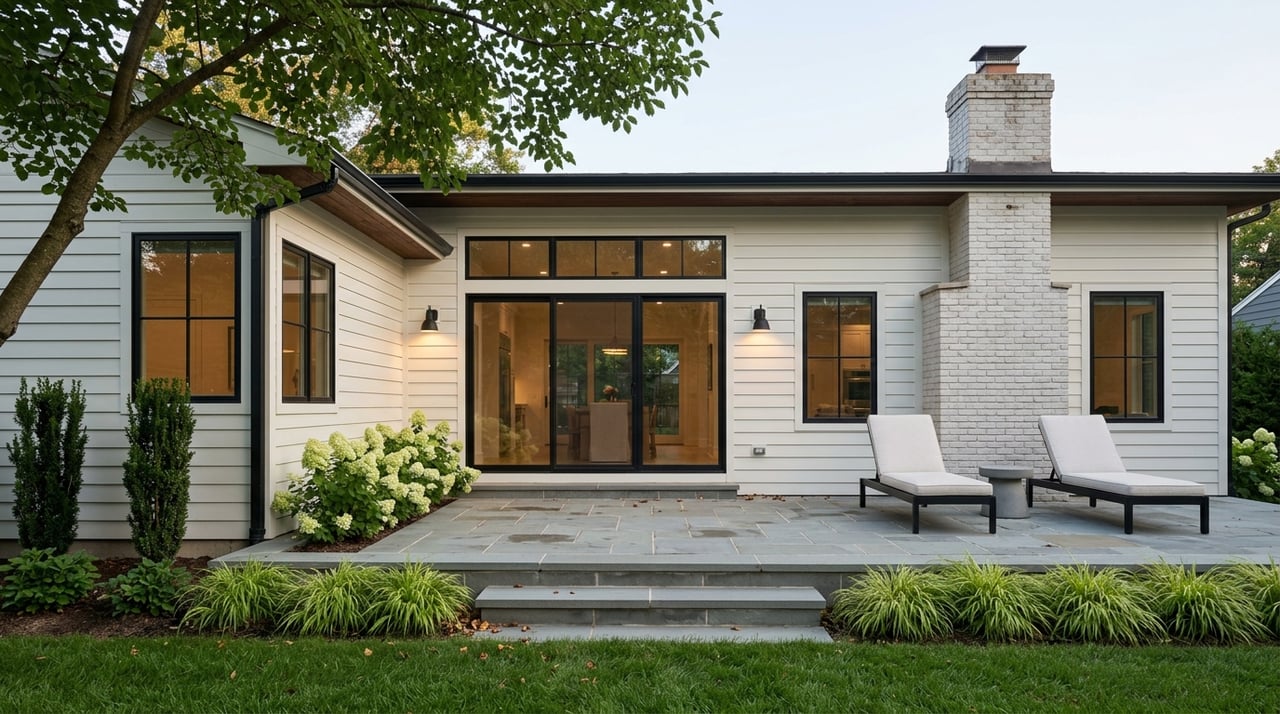
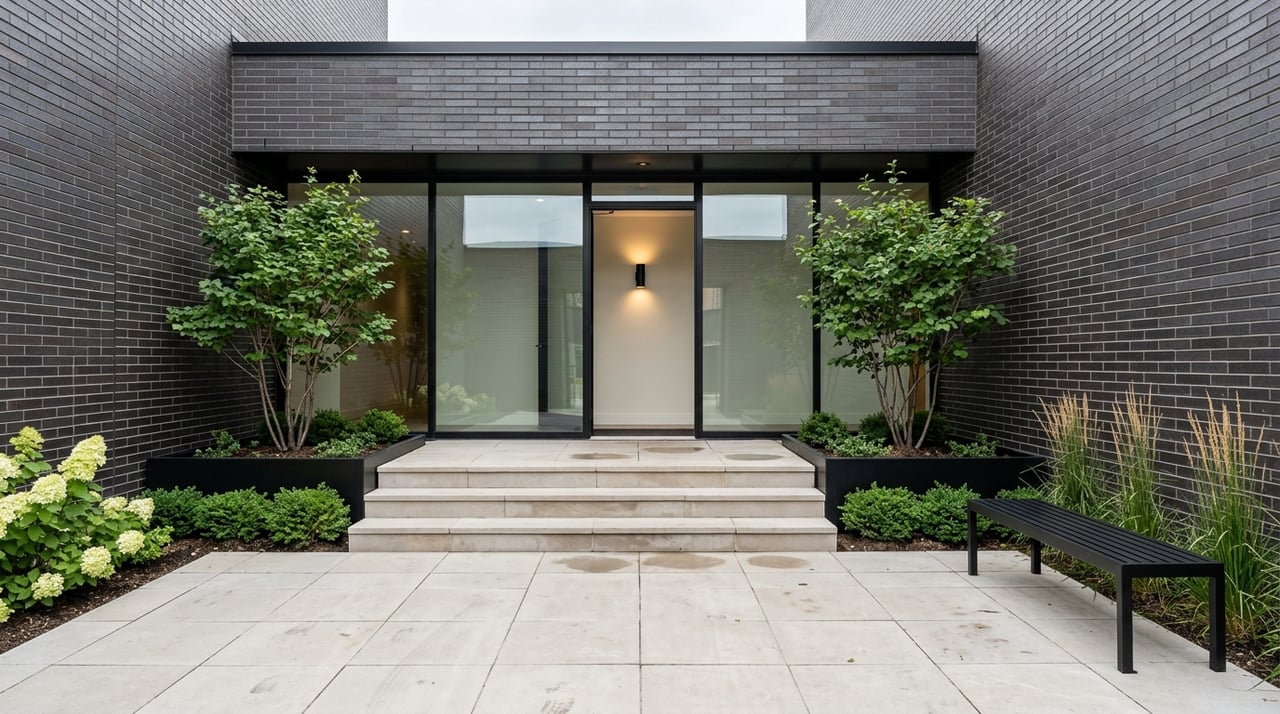
Torn between a house and a condo in Mount Kisco? You are not alone. Many buyers love the village’s walkable downtown and train access but also want space, privacy, and a yard. In this guide, you will learn how houses and condos compare on cost, lifestyle, and commute, plus a simple way to run the monthly math before you choose. Let’s dive in.
Quick market snapshot
Mount Kisco offers a balanced mix of single-family homes and condos or townhouses, and both can be competitive. Recent snapshots show median home values in the mid six to mid seven hundreds, with sources like Redfin and Zillow reporting roughly 675,000 to 750,000 in early 2026. Condos and townhouses often list lower, commonly in the 350,000 to 600,000 range, while many single-family homes start in the 600,000s and climb into seven figures for larger properties.
Downtown Mount Kisco rates as Very Walkable with a Walk Score around 78, which helps explain demand for condos and townhouses near Main Street and the station. You can verify the walkability details on the Mount Kisco Walk Score page at Walk Score.
Property taxes are a key factor in Westchester. County-level median tax bills are often cited near 9,000 per year, though your exact bill will depend on the parcel, assessed value, and school district. You can review county context on Tax-Rates.org’s Westchester overview.
How houses and condos compare
Price and value
- Condos and townhouses often have a lower entry price than detached homes, which can help you get into Mount Kisco while staying close to downtown amenities.
- Single-family homes usually come with larger interior space and private outdoor areas. They are common choices for buyers who need extra bedrooms or multi-purpose rooms.
Space and privacy
- Houses offer more privacy, a yard, and flexibility to update or expand over time, subject to local zoning and permits.
- Condos and townhouses share walls or common areas, which can reduce privacy. Some communities offer garages or assigned parking. Always review parking rules in HOA documents.
Maintenance and predictability
- Condos and townhouses shift exterior maintenance and some services to the HOA. Local fees vary by complex and amenities, often ranging from a few hundred dollars per month to 700–800-plus in Mount Kisco. Inclusion lists matter. Some HOAs include heat or hot water, while others focus on exterior care.
- Single-family owners cover all maintenance themselves. A common starting rule is to budget about 1 percent of the home’s value per year for upkeep. Read more about typical maintenance budgeting in this overview from Reviews.com.
Walkability and commute
- If you want a short walk to dining, shops, and Metro-North, condos and townhouses near the village core are popular picks. Mount Kisco’s downtown is compact and convenient, and many errands can be done on foot. See the village’s walkability profile on Walk Score.
- The Mount Kisco station on the Harlem Line offers direct service to Grand Central, with typical published trip times ranging from about 56 to 71 minutes depending on the train. Confirm current schedules, and explore the station profile on Wikipedia’s Mount Kisco station page.
What will you pay each month?
Buying well in Mount Kisco means comparing apples to apples. That means looking beyond the purchase price and modeling monthly carrying costs.
Simple apples to apples method
Add these items for each property you are considering:
- Mortgage principal and interest from your lender’s quote.
- Property taxes divided by 12. Westchester’s county median is about 9,000 per year, but your parcel may be higher or lower. See context on Tax-Rates.org.
- HOA dues (for condos and townhouses). Review what they include.
- Maintenance reserve (for single-family homes). As a starting point, use 1 percent of the home’s value per year divided by 12, per guidance similar to Reviews.com’s maintenance overview.
- Home insurance. Condos typically require an HO-6 policy for interiors; houses need a standard homeowner’s policy.
Two quick examples
These are simple illustrations to show how your non-mortgage monthly numbers stack up. Always plug in property-specific numbers before you decide.
Example A: Condo or townhouse at 500,000
- Taxes: using the 9,000 county median as a placeholder equals about 750 per month.
- HOA: assume 650 per month for a mid-amenity complex.
- Maintenance reserve: typically minimal for exterior items because the HOA covers them, though you may budget a small interior contingency.
- Non-mortgage total: about 1,400 per month, plus insurance.
Example B: Single-family home at 800,000
- Taxes: using the same 9,000 placeholder equals about 750 per month. Your parcel may differ.
- Maintenance reserve: 1 percent of value per year equals 8,000, or about 667 per month.
- HOA: none for most houses.
- Non-mortgage total: about 1,417 per month, plus insurance.
In both cases, the mortgage line can be the swing factor, but this comparison shows how HOA and maintenance trade places in your monthly budget.
Property types you will see
Downtown condos and townhomes
Near Main Street and the station, you will find low- to mid-rise condo buildings and townhouse-style communities. Typical sizes include 1-bedroom condos around 700 to 1,000 square feet and 2- to 3-bedroom townhomes from about 1,000 to over 2,100 square feet. Some communities include heat or hot water in the HOA, others focus on exterior and amenity maintenance. Walkability and transit access are the big draws.
Single-family neighborhoods
Around the village you will find a range of detached homes, from modest 3-bedroom ranch or colonial styles to larger 3–5-bedroom homes and occasional estate-scale properties. Many buyers choose single-family neighborhoods for private yards, garage access, and flexible space for working from home, hobbies, or guests.
Age varies across the housing stock. Many condos date from the 1970s to the 2000s, while single-family homes can be older. Age affects maintenance needs and inspection priorities like roofs, mechanical systems, and sewer or septic connections.
Due diligence checklist
Use this short checklist to make a confident choice and protect your budget:
- Confirm commute and walkability. Review trip times for the Metro-North Harlem Line on the Mount Kisco station page, then walk the neighborhood at different times of day.
- Model monthly costs. Convert taxes to a monthly number, add HOA or a maintenance reserve, then layer in your lender’s mortgage estimate. For county tax context, see Tax-Rates.org.
- Review HOA health if buying a condo. Ask for financial statements, reserve studies, and recent board minutes. Check what the HOA covers, parking rules, and pet policies.
- Get a thorough home inspection for houses. Ask your inspector to flag near-term capital items like roof, HVAC, and any septic components. Budget using the 1 percent rule as a starting point, per Reviews.com’s maintenance guidance.
- Understand neighborhood composition. ZIP-level estimates show roughly 56 percent single-family and 44 percent multi-family or attached units in Mount Kisco, which helps set expectations for what you will see in each area. Explore ZIP-level context at ZIP-Codes.com.
- Check park and green space access. ParkServe reports a high share of residents within a 10-minute walk of a park, a nice plus for village-center living. See Mount Kisco’s profile on The Trust for Public Land.
- Verify school attendance zones. Boundaries can change, so confirm the correct school for your exact address with the district. Start with the Bedford Central School District site.
- Watch future planning and redevelopment. Mount Kisco has pursued planning work for the downtown core that can influence density, mixed-use projects, and future condo supply. Keep an eye on updates referenced by MUD Workshop.
How to choose your fit
Start with your non-negotiables. If you want a short walk to the station, coffee, and dinner spots, you may lean condo or townhouse near Main Street. If you need a fenced yard, more bedrooms, or room to expand, a single-family home likely fits better.
Next, compare your true monthly budget. For a condo, factor in HOA dues and confirm exactly what they include. For a house, add a realistic maintenance reserve using the 1 percent rule as a baseline and adjust for age and condition.
Finally, try the lifestyle on for size. Spend a weekend walking the village and riding the train at your likely commute time. Then drive from a single-family neighborhood to the station during rush hour to see the difference. Your day-to-day rhythm will make the right answer clear.
Ready to tour?
Whether you are leaning condo convenience or the space of a house, local guidance makes all the difference. Our team helps you compare true monthly costs, read HOA documents, and weigh neighborhood tradeoffs with confidence. If you want a calm, concierge-style process from first tour to closing, connect with Pat Palumbo to plan your next step.
FAQs
What are the main cost differences between Mount Kisco houses and condos?
- Condos add an HOA to your monthly budget but reduce exterior maintenance; houses skip the HOA but need a maintenance reserve, often about 1 percent of value per year, plus parcel-specific taxes.
How long is the Mount Kisco train commute to Grand Central?
- Typical published travel times range from about 56 to 71 minutes on the Harlem Line, depending on the train; verify current schedules on the Mount Kisco station page.
How do Westchester property taxes affect my monthly payment?
- Convert the annual amount to a monthly figure and add it to your mortgage; county-level median tax bills are near 9,000 per year, though your exact parcel can vary, per Tax-Rates.org.
What should I look for in Mount Kisco HOA documents?
- Review what dues include, reserve study findings, financial statements, recent board minutes, parking rules, and any planned assessments.
How can I compare a condo near downtown with a house farther out?
- Run the apples to apples math: mortgage plus monthly taxes plus HOA or maintenance reserve, then factor in commute time and walkability using Walk Score and the station profile.