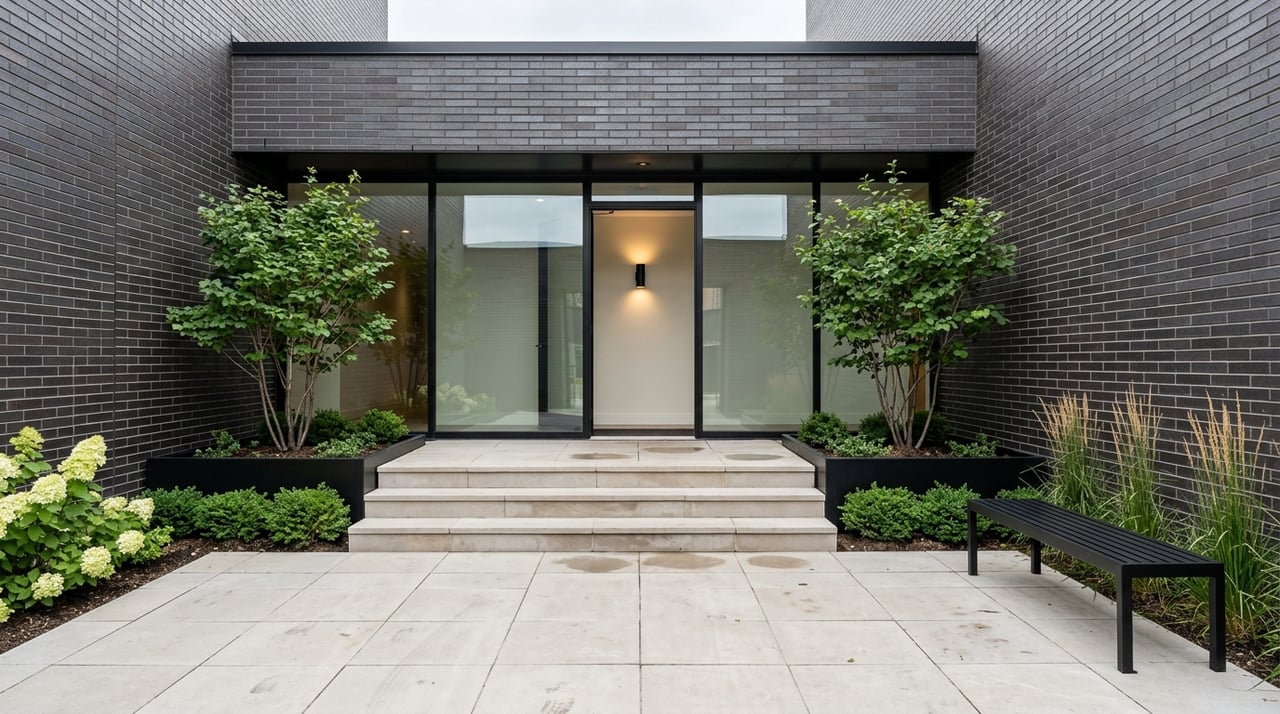
Eastchester Single Family vs Condo: How to Choose
June 25, 2026
June 25, 2026
Are you trying to decide whether a single-family home or a condo makes more sense in Eastchester? It is a common question, especially in a town where lifestyle, commute, budget, and daily upkeep all shape the ownership experience. If you are weighing your options, this guide will help you compare how each choice tends to feel in real life so you can focus on the fit that works best for you. Let’s dive in.
Eastchester is a compact, largely owner-occupied Westchester community with 34,641 residents, 13,688 housing units, and a 72.3% owner-occupied housing rate. That tells you right away that this is a market where homeownership is a major part of the local rhythm.
It is also a place where the numbers suggest buyers are making long-term decisions. Census data shows a median household income of $155,726, and 68% of residents hold a bachelor’s degree or higher. In other words, many buyers here are not just looking for a roof over their heads. They are thinking carefully about how a home will support their routines, finances, and future plans.
At a high level, the difference in Eastchester is not only about price. It is about control versus shared management, and space versus convenience.
A single-family home often gives you more direct control over the property. A condo often offers a more managed lifestyle, but with shared rules, common charges, and board oversight. In Eastchester, that trade-off tends to matter as much as square footage.
| Factor | Single-Family Home | Condo |
|---|---|---|
| Property control | More direct control over the home and exterior | Shared governance through condo or HOA structure |
| Maintenance | Owner handles more upkeep directly | Exterior and common-area upkeep is often shared |
| Privacy | Typically more separation from neighbors | Usually more shared walls and common spaces |
| Monthly costs | More variable repair and upkeep costs | Recurring common charges are typical |
| Commute fit | Can work well, depending on location | Often appealing for buyers focused on a lower-maintenance, rail-based routine |
| Entry price | Generally higher based on current market snapshots | Often lower than the broader Eastchester market |
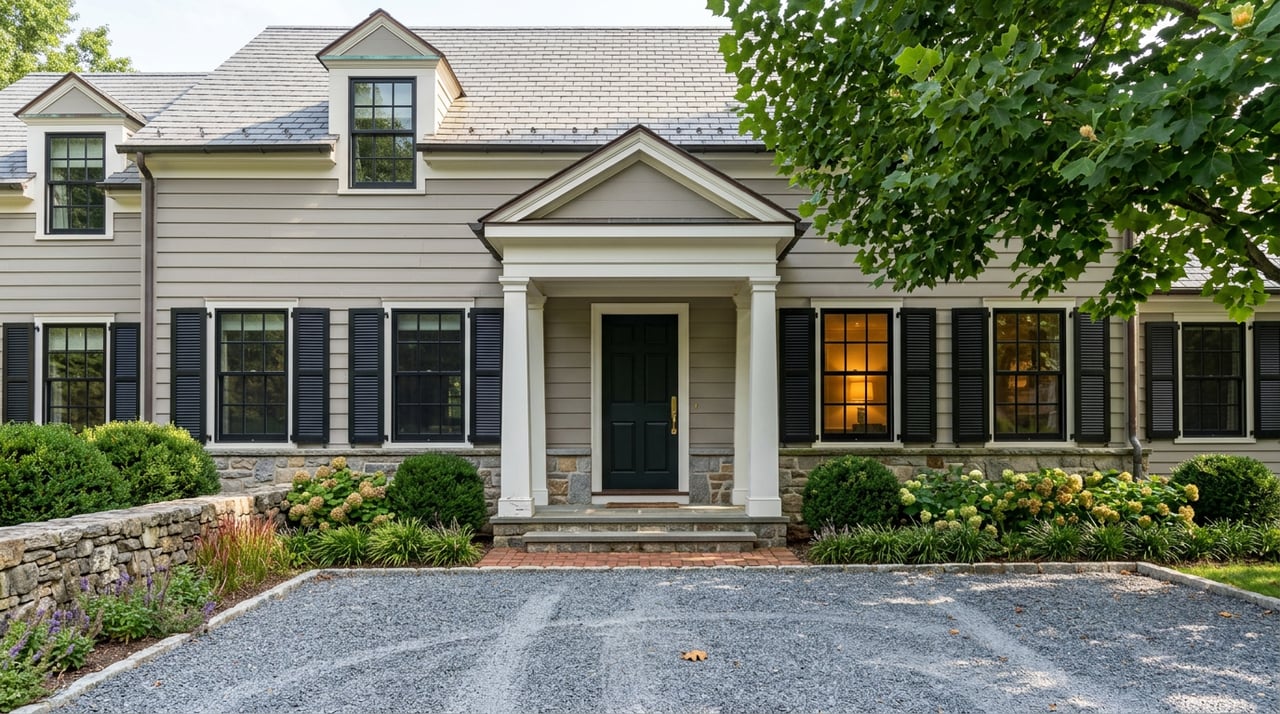
If you are drawn to autonomy, a single-family home may feel more natural. You usually have more say over how the property looks, how you maintain it, and how you use your outdoor space.
That freedom comes with responsibility. New York Attorney General guidance encourages buyers to pay close attention to the condition of the roof, facade, flooring, appliances, windows, electrical wiring, and plumbing. In practical terms, that means you are taking on more of the property’s moving parts yourself.
In Eastchester, day-to-day ownership also connects you more directly to town services. The local sanitation schedule includes curbside bulk pickup on Thursdays, plus weekly recycling, yard-waste, and e-waste collection. Those details may sound small, but they are part of the rhythm of owning and managing a detached home.
If your goal is to simplify your routine, condo living can be appealing. In many cases, you are trading some independence for a more structured ownership model with less direct exterior upkeep.
In New York, condo ownership comes with its own due diligence. The New York Attorney General advises buyers to review the offering plan carefully and pay close attention to common elements such as roads, sidewalks, drainage systems, retaining walls, reserve funds, and common charges. Those items can shape both your monthly expenses and your day-to-day expectations as an owner.
That structure often means less hands-on exterior maintenance, but also more shared decision-making. You are part of a community with rules, budgets, and board oversight, which can be a benefit if you want a more managed environment.
One reason buyers compare condos and single-family homes in Eastchester is the pricing gap. Recent market snapshots point to a broader Eastchester median sale price of $511,000 in March 2026, a median listing price of $669,000 in April 2026, and a much lower condo median listing price around $302,000.
Those figures should be treated as directional, not as a one-to-one comparison. Sale prices and listing prices are different metrics. Still, they support a clear takeaway: condos often represent a lower-entry option for buyers who want to stay in Eastchester without stretching to a detached-house budget.
For some buyers, that lower entry point can create room for other priorities. You may decide that a more manageable purchase price, paired with common charges, feels more comfortable than taking on the larger purchase price and maintenance exposure of a single-family home.
Eastchester buyers often think about commute logistics early in the process. Census Reporter places the mean travel time to work at 35.9 minutes, which supports the idea that transportation can be a major part of your housing decision.
The town also has a moderately walkable profile, with a Walk Score of 63. That does not mean every errand can be done on foot, but it does suggest that location and convenience can play a meaningful role in how you experience daily life.
For condo buyers, access to nearby Metro-North service can be a strong advantage. The Harlem Line includes nearby Tuckahoe and Crestwood stations with service to Grand Central, which may fit well if you want a rail-based routine with less home maintenance on your plate.
For single-family buyers, the calculation can be a little different. You may be more willing to trade some convenience for greater privacy, more space, or more control over the property.
When buyers compare property types, they often focus first on bedrooms, bathrooms, or price. In Eastchester, it is just as important to think about how you want to spend your time.
With a single-family home, more of your time may go toward upkeep, seasonal maintenance, and coordinating repairs. With a condo, more of those responsibilities may be handled through the association, but you will likely have common charges and a governance structure that affects how decisions get made.
Neither path is automatically better. The right answer depends on whether you value independence more, or whether you prefer a more managed ownership experience.
Eastchester is not only about commuting. The town budget includes funding for recreation and senior programs, which reflects a community shaped by long-term resident routines and local services.
That matters because housing choice affects how connected you feel to those rhythms. Detached homeowners are often more directly involved in the practical side of property life, while condo owners may experience town living through a more shared and structured system.
This is one reason the single-family versus condo decision can feel so personal. You are not only choosing a home style. You are choosing how much of the day-to-day ownership experience you want to manage yourself.
If you are deciding between a single-family home and a condo in Eastchester, try narrowing your choice around a few practical questions.
Your answers can often make the right path clearer than price alone. A home that fits your schedule, comfort level, and long-term goals usually feels better than one that only looks good on paper.
In Eastchester, the choice between a single-family home and a condo usually comes down to lifestyle fit. Single-family homes often appeal to buyers who want more control, privacy, and hands-on ownership. Condos often appeal to buyers who want a more managed, lower-maintenance routine and are comfortable with shared governance and common charges.
Because Eastchester is an owner-oriented market with meaningful commute considerations and a wide range of buyer priorities, it helps to look beyond the listing photos. The best move is the one that matches how you actually want to live.
If you want help weighing Eastchester condos against single-family homes based on your budget, commute, and day-to-day goals, Pat Palumbo can help you compare your options with clear, personalized guidance.
Stay up to date on the latest real estate trends.
Buyers and sellers need to have their needs heard in order for their needs to be addressed. What you are really looking for is a real estate therapist. We have come to realize that our training is not only a benefit but in some cases the reason why we are able to truly help our clients.

202 Katonah Ave
Katonah NY 10536